Quick answer
The best digital loyalty software for a small business is the tool that delivers its reward reliably at the checkout it already uses. A neighborhood café, a service business, and a Shopify retailer can require very different systems. Choose by customer journey and operational fit before comparing subscription prices.
This is a curated shortlist, not a survey of the entire market or a claim that one provider outperforms every competitor. Official product sources were checked on October 5, 2026. The recommendations below are fit judgments based on documented features, not hands-on speed tests or guaranteed financial outcomes.
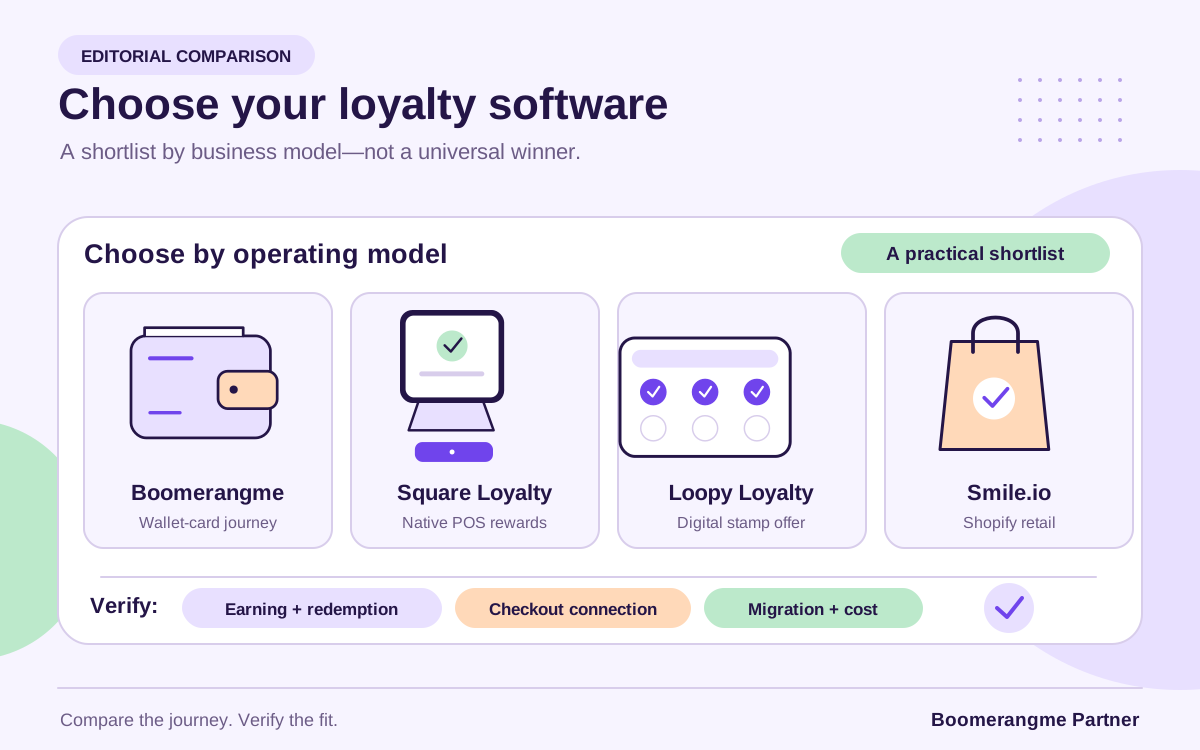
Four starting points worth comparing
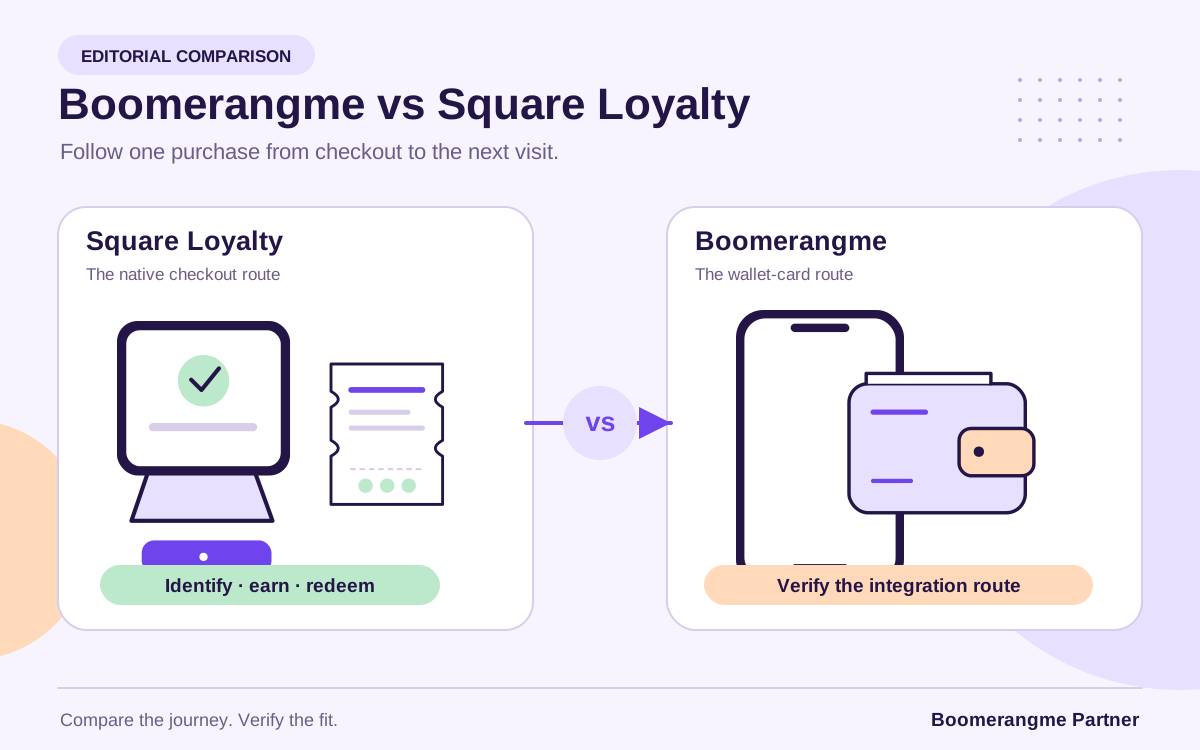
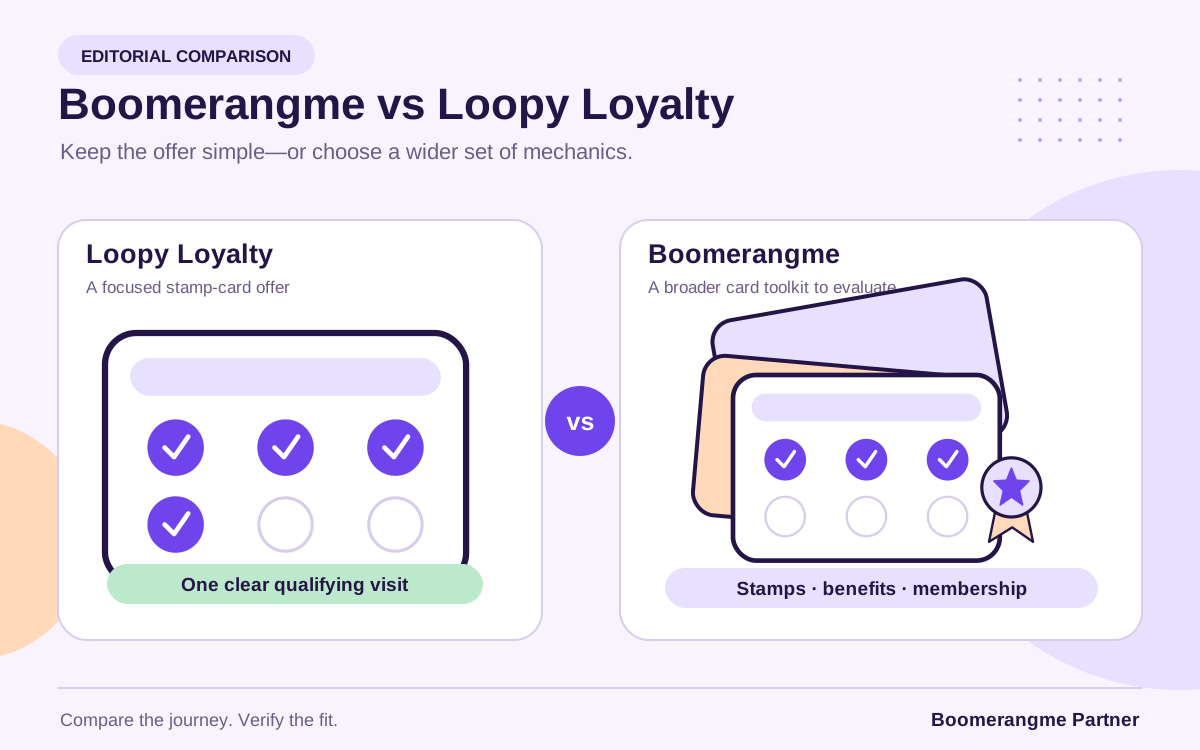
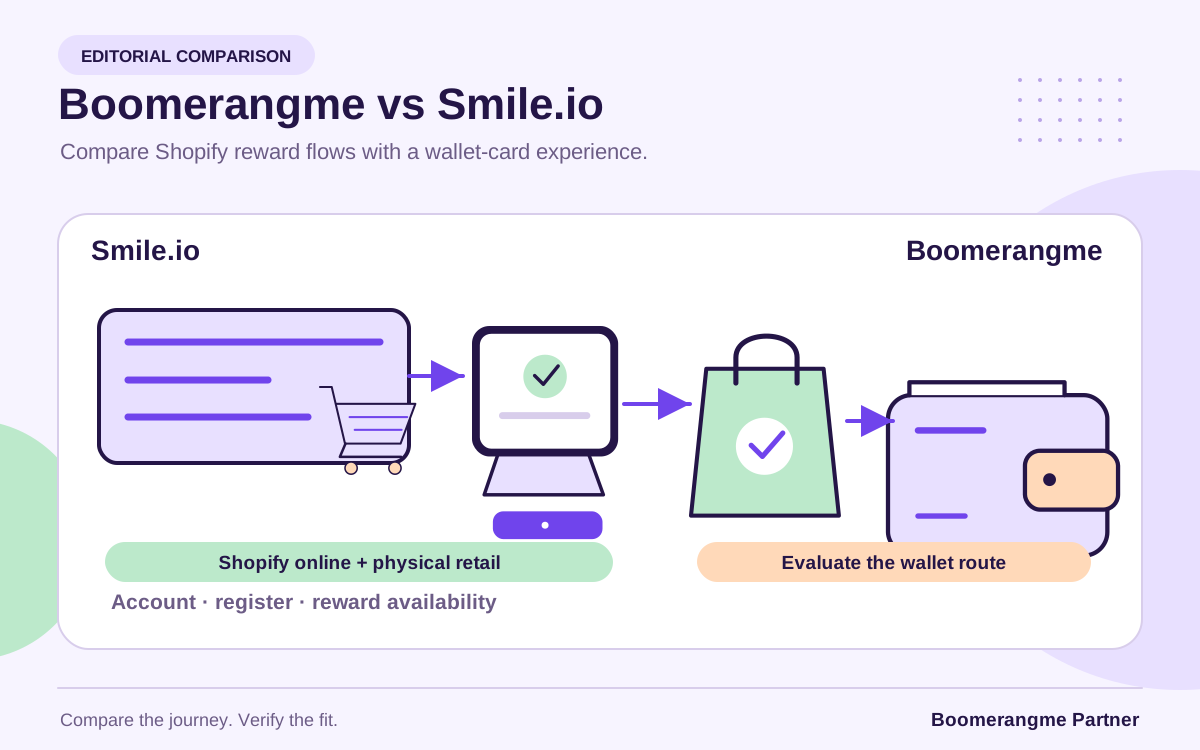
The shortlist covers distinct operating models. Boomerangme’s local-business offering centers digital cards and repeat engagement. Square’s setup guide documents a native program within Square. Loopy Loyalty’s features focus on wallet stamp cards. Smile’s Shopify POS page covers connected online and physical retail rewards.
| Candidate | Consider it when | Confirm before choosing |
|---|---|---|
| Boomerangme | A local wallet-card journey fits your offer | Exact card type and checkout integration |
| Square Loyalty | Your business already uses Square | Device, channel, country, and reward rules |
| Loopy Loyalty | You need a focused digital stamp program | Staff access and integration expectations |
| Smile.io | You run Shopify online and physical retail | Reward and plan availability by channel |
Other providers may be appropriate. Toast merchants should evaluate native Toast Loyalty; merchants requiring a larger ecommerce ecosystem should assess the relevant specialist tools. A shortlist helps you make a manageable decision, not declare the rest of the market unsuitable.
Start with one reward and one primary goal
Write the offer before booking demonstrations. Examples include a stamp for a qualifying drink, a defined reward after eligible spend, or a clearly specified member benefit. Then choose the behavior you want to change: second visits, purchase frequency, or a useful return occasion.
Avoid starting with every possible tier, birthday offer, referral bonus, and campaign. Complexity creates rules to maintain. A merchant question about which points app is worth using highlights practical concerns about satisfaction and unnecessary features. Treat that as a selection prompt, not a reliable ranking of vendors.
Match the tool to the payment environment
If staff already identify customers and handle rewards inside a POS, native loyalty deserves a serious evaluation. Fewer screens and support boundaries may be valuable for a busy team. Do not replace a working process without naming the benefit of the replacement.
A separate wallet-card platform is worth exploring when you want a recognizable card experience, a different mechanic, or a standalone offer. Boomerangme fits that shortlist when its card design matches a real local-business journey. However, integration coverage can vary by connector, card, and action. Ask specifically about earning, redemption, refunds, and identification.
For Shopify merchants, an online reward and an in-store reward are separate test cases. A free shipping benefit may make sense online but not at the register. Customers should understand where their earned value is usable.
Evaluate the full cost of the program
Request current quotes for your number of locations, transactions or orders, staff accounts, required features, and support. Include hardware, connector setup, messaging, and training. SaaS plan names and fees can change, so a price copied from an old article is not a sound budget.
Reward fulfillment also belongs in the calculation. In a hypothetical example, one hundred redemptions costing $3 each create $300 of reward cost before the subscription or staff work. The program must generate enough useful contribution or retention to justify that expense. A low monthly software fee cannot fix an unaffordable offer.
Run the same checkout test for each finalist
Enroll a new customer, make a qualifying purchase, return to redeem, and inspect the receipt. Test excluded items, a partial refund, duplicate enrollment, and a forgotten phone. Repeat online if you plan to advertise cross-channel rewards.
Have an ordinary staff member follow written instructions. Record where they need help and which provider resolves mistakes. Ask whether the platform can export customer identifiers, balances, earned rewards, expiry, and permission records if you later move.
For a Boomerangme finalist, include saving and finding the wallet card in the test. For a native POS finalist, include the register prompts. Evaluate the complete journey rather than giving either approach an automatic advantage.
Frequently asked questions
Is the cheapest loyalty software usually the best choice?
Not necessarily. Compare the total cost, staff effort, supported reward, and customer experience. An inexpensive tool that needs constant correction can cost more overall.
Does every small business need a points program?
No. A focused stamp card or clearly defined member benefit may suit the buying rhythm better. Choose the offer first, then the software.
Can software guarantee more repeat customers?
No. Product quality, service, offer value, enrollment, and execution still matter. Track repeat behavior and contribution alongside card installations and reward redemptions.
Explore Boomerangme when the card journey fits
If your business needs a recognizable digital card and a practical local retention offer, include Boomerangme in your shortlist and test the precise workflow before committing. Explore Boomerangme.
Sources & further reading
- Boomerangme local-business platformWallet-card-oriented local business offering.
- Square loyalty setupNative Square program configuration.
- Loopy Loyalty featuresFocused wallet stamp-card offering.
- Smile Shopify POSShopify online and physical POS loyalty workflow.
Sources reviewed October 5, 2026. Numerical examples are illustrative unless a cited source states otherwise.